Best Balayage Houston TX Trends That Still Look Natural in 2026

The balayage looks that age the worst are the ones that chased a trend without accounting for the client's actual skin tone, natural base color, or how the color will grow out. In 2026, the work getting the most attention in Houston is not dramatic or heavily contrasted. It is color that looks like it belongs on the person wearing it.


That requires more skill than a formula, and it starts well before the brush touches the hair.


Professional Balayage Houston TX: What Separates Good from Bad Work

The difference between a professional balayage result and a mediocre one is placement. Balayage is a freehand painting technique, which means no foil sections are defining exactly where the color lands. That freedom is what creates a natural, sun-kissed result when done well. It is also what allows an inexperienced colorist to produce something blotchy, oversaturated, or uneven.


Good
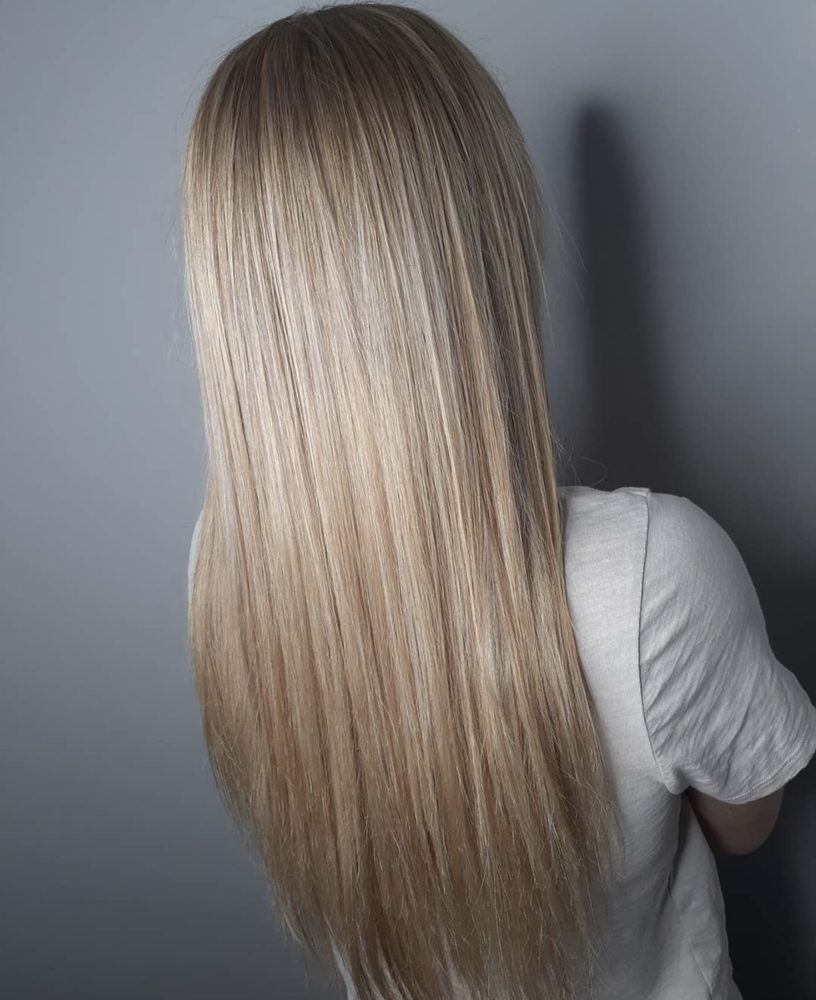
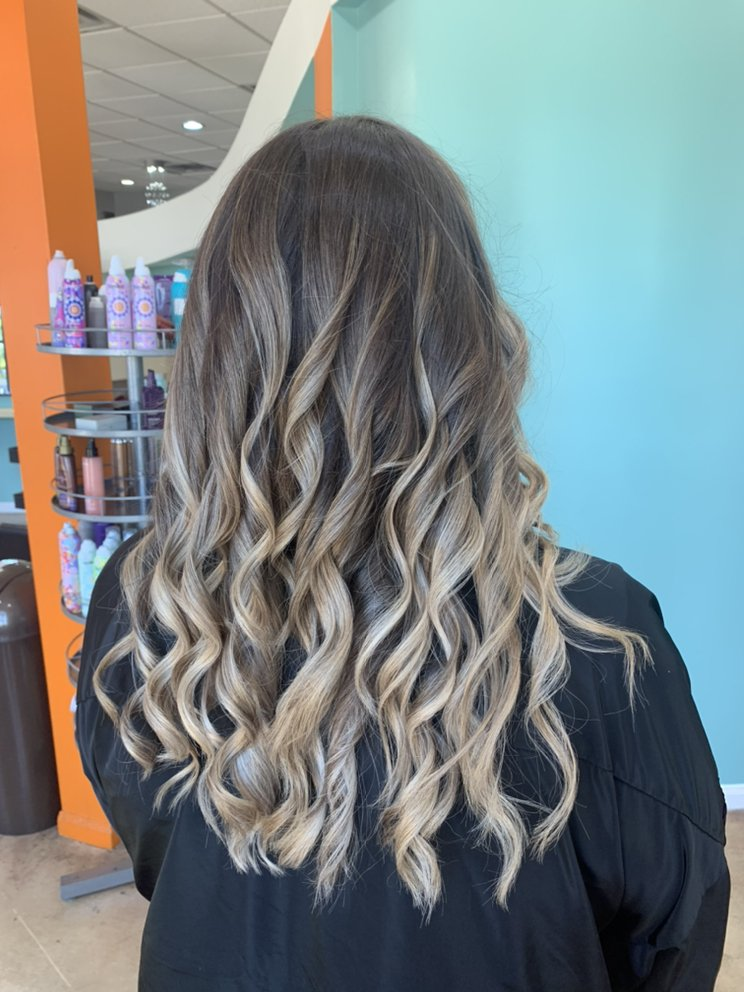
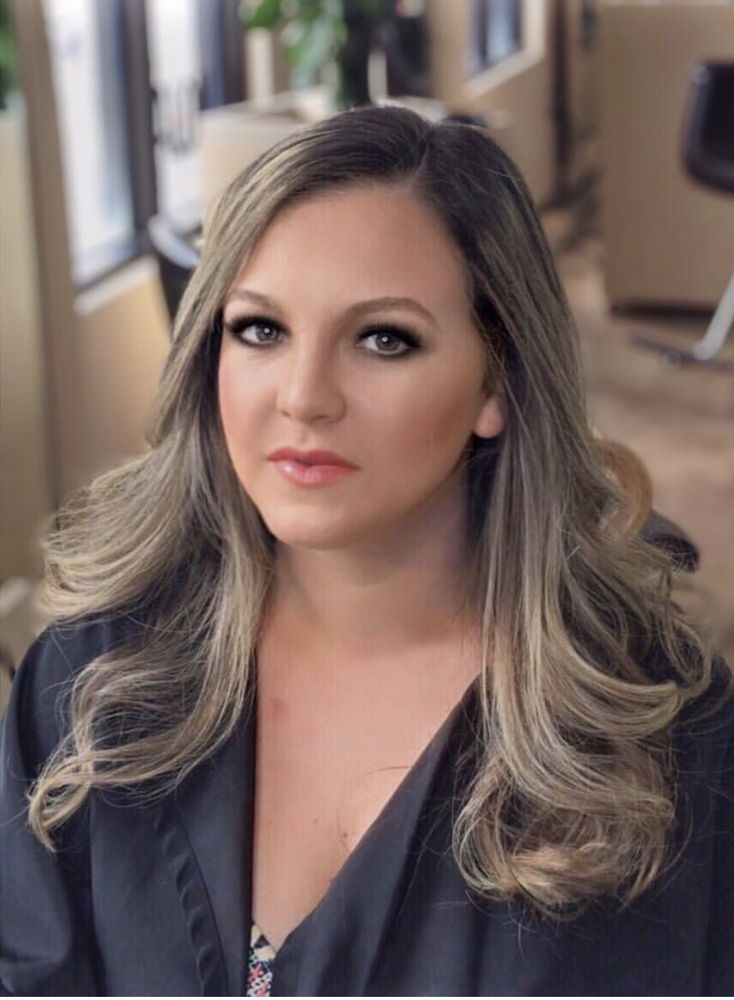
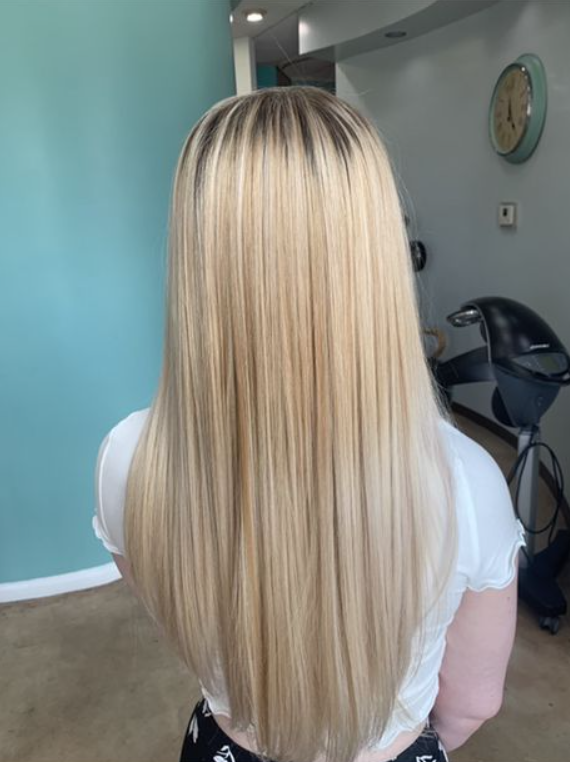
balayage in Houston TX reads as depth at the roots and gradually lighter color through the mid-lengths and ends. It follows the way natural sun exposure would actually lighten hair: concentrated at the surface, lighter where the hair falls away from the scalp, and brighter at the ends. When the placement mimics that pattern realistically, the result looks like something the client was born with rather than something applied at a salon.


Bad balayage shows itself in a few ways. Color that starts too high and too close to the root looks like highlights grown out poorly rather than a deliberate technique. Sections that are too wide create stripes instead of dimension. Color that is too light for the client's base, without enough tonal variation, looks flat and artificial, even if the application was technically clean.


The consultation before a balayage appointment matters as much as the color session itself. Eduardo Granados at Marbella Salon has over 20 years of color experience, including working across a full range of base tones and textures that are common in Houston's diverse client base.


Balayage Services Near Me: Signs of an Experienced Colorist

If you are searching for balayage services near you and trying to evaluate portfolios before booking, look for these specific things in the work you see.


First, look at grow-out photos, not just fresh results. A balayage that looks great on day one but terrible at six weeks was either placed incorrectly or tonally off for the client's base. Well-placed balayage should look intentional at any stage of grow-out.


Second, look at whether the color has dimension. If the tones are all the same level of lightness across the section, the colorist likely used a single formula without building any contrast within the piece. Real depth comes from layering tones, not painting everything the same shade.


Third, check for the mid-length transition. The area between where the color starts and where it gets brightest should blend gradually, not jump. A hard line in the middle of the hair shaft is a technical error.


Partial Highlight Hair vs Full Balayage: Which Is Better?

This comes up often, and the answer depends on what the client is actually trying to achieve. Partial highlight hair involves foil sections placed specifically around the face or through the top layer of the hair. Full balayage covers the entire head with freehand painted sections, typically from the mid-lengths through the ends.


For clients who have never had color before, partial highlights are often a better starting point. They add brightness and dimension without requiring a full-head lightening commitment. The maintenance cost is lower, the processing time is shorter, and if the client decides they do not want color after all, there is less of it to grow out or correct.


For clients who want a fuller transformation or who have very dense, dark hair where a few foils will not read through the rest of the base, a full balayage is the more appropriate service. The coverage is more complete, and the result tends to look more intentional across all lighting conditions.


Some clients end up with a combination: balayage through the lengths with face frame highlights added in foil to maximize brightness around the face. That approach gives the best of both techniques without requiring a full head of foils.


Face Frame Highlights in Houston TX for Softer Dimension

Face frame highlights in Houston serve a specific purpose. They are not meant to be the dominant element of a color result. They are placed to brighten the areas of hair that frame the face, which draws light toward the skin and creates the appearance of a more luminous complexion.


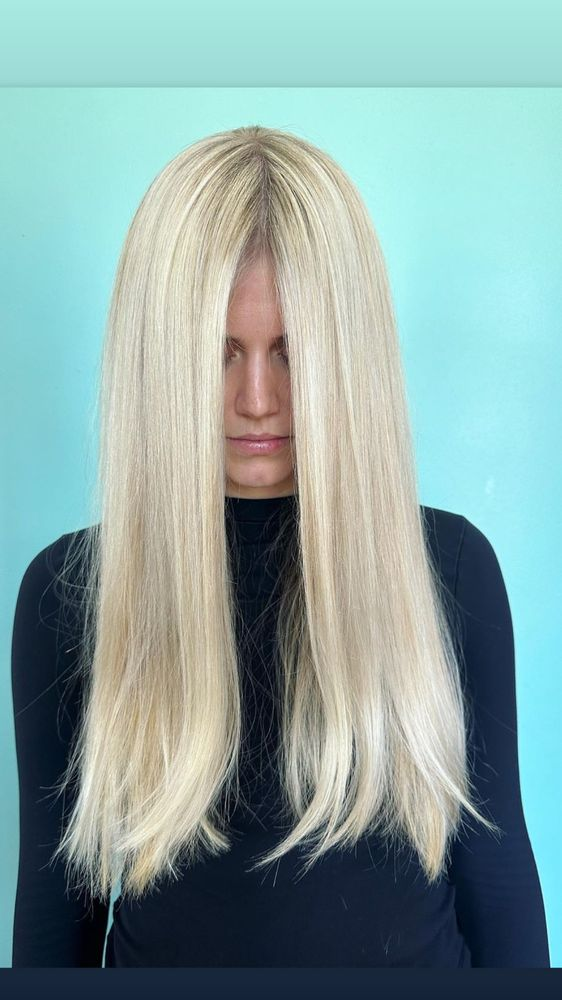
Done correctly, face frame highlights in Houston are two to four pieces on either side of the part, lightened to a tone that is two to three levels brighter than the base. They blend into the rest of the hair without a hard line at the edge. When they are too light, too wide, or placed too close to the root, they can look harsh and obvious rather than soft and natural.


In strong Houston sunlight, overly lightened face frame pieces can look washed out or brassy faster than deeper pieces elsewhere in the hair. Toning after lightening is not optional if you want the result to look refined.


Why Houston Clients Are Choosing Low-Maintenance Color

The consistent trend in Houston right now is clients choosing color they do not have to manage constantly. Balayage fits that preference well because the freehand application creates a natural grow-out that does not require root touch-ups every four to six weeks the way single process color does.


Houston clients are busy. The corporate professionals in Midtown do not have time for monthly salon visits just to maintain their color. The result of good professional balayage should look intentional at eight weeks the same way it does at two.


The other factor is cost over time. A well-executed balayage appointment every three to four months, with an occasional toner refresh in between, typically costs less annually than single process color maintained every four to six weeks. Learn more about
Best Women's Cut Blowout Houston TX for Thin, Thick & Curly Hair


Frequently Asked Questions

Does balayage damage hair less than traditional highlights? 

Generally yes, because the freehand application means the formula does not touch the scalp, and there is usually less overall coverage than a full head of foils. That said, any lightening process involves chemistry that changes the hair structure. The condition of your hair before the appointment and how well you maintain it afterward matters as much as the technique itself.


How long does balayage usually last before touch-ups?
 

Most clients return every three to four months for a refresh or toner gloss. The initial grow-out period is typically manageable because the transition is gradual by design. Clients with very dark bases who went significantly lighter may need to return sooner if the contrast at the root becomes more visible than they like.


Can balayage work on very dark hair?
 

Yes, but the process often requires more than one session to reach the desired result without over-processing. Very dark hair typically needs to be lightened in stages to avoid damage and to achieve a tone that does not pull orange. A colorist who tells you they can take very dark hair to platinum in one session without significant risk is not giving you honest information.


What's the difference between face framing highlights and balayage?
 

Face framing highlights are placed specifically around the face, usually in foil, targeting the pieces closest to the hairline and the part. Balayage covers the broader lengths and ends of the hair using a freehand painting technique without foil. They are often combined in the same appointment to achieve dimension throughout the hair and brightness at the face simultaneously.


Why do some balayage results turn brassy quickly?
 

Brassiness appears when the underlying warm pigment in the hair is not neutralized after lightening. Houston's hard water, which is mineral-heavy, can also contribute by depositing buildup that alters tone over time. A purple or blue-toned shampoo used once or twice a week, combined with a periodic toner gloss at the salon, is the most effective way to keep the color from going warm between appointments.
Hair Stylist
By Marbella Salon • September 1, 2026
Find the right hair stylist in Houston, TX. Ask these essential consultation questions about humidity control, hard water protection, and chemical service care.
Hair Stylist
By Marbella Salon • September 1, 2026
Looking for a top hair stylist near you? See why local expertise, climate-focused techniques, and proper hair consultation matter more than proximity in Houston.
Keratin Treatment
By Marbella Salon • September 1, 2026
Walking out of the salon with sleek hair only to see frizz return within a couple of weeks is deeply frustrating. In humid climates, a quality treatment should protect your strands against moisture and keep styling manageable for months. Recognizing the early warning signs of a failing service helps you correct maintenance mistakes or find a stylist who can fix the underlying structure. Immediate Frizz Return and Humidity Sensitivity The most obvious sign of a botched or fading smoothing service is immediate expansion when stepping outdoors. If your hair swells into a frizzy mass the moment you leave your home in Montrose or walk through Midtown, the protein bond failed to seal properly. A professional application creates an impenetrable moisture shield, so instant frizz indicates under-processed sections or incorrect flat-iron sealing temperatures. Another red flag is inconsistent texture across different areas of your scalp. If your ends remain smooth while the mid-lengths revert to natural wave, the product was likely applied unevenly. Houston heat quickly exposes these weak spots, leaving hair looking unbalanced and difficult to style without heavy heat tools. Texture Changes and Mineral Buildup Issues A failing treatment does not always show up as pure frizz. Sometimes hair feels uncharacteristically stiff, sticky, or brittle after washing. This rough texture often happens when mineral-heavy local water deposits calcium and magnesium onto the hair shaft, stripping away natural shine and degrading the protective coating prematurely. Shampooing with harsh sulfates or exposing untreated hair to chlorine in pools around River Oaks will also dissolve the protein matrix. When the outer layer breaks down, strands lose their elasticity and moisture-retaining abilities. If your hair feels dry and straw-like despite using post-care serums, your smoothing layer has likely washed out. How Inexperienced Application Leads to Early Failure Achieving long-lasting smoothness requires precise technique and climate-specific knowledge. Stylists who rush through the sectioning phase or use a one-size-fits-all heat setting often damage the cuticle instead of smoothing it. Fine or chemically treated hair requires lower thermal settings, whereas coarse hair needs higher heat to lock in the formula. When searching for a corrective keratin treatment Houston TX service, look for a salon that performs thorough consultations. Experienced professionals assess your hair history, porosity, and lifestyle around the Galleria or Museum District before applying any chemical solution. Skipping a diagnostic evaluation almost always guarantees short-lived results. Corrective Steps and Professional Solutions If your smoothing service has failed, avoid applying immediate DIY fixes or heavy home treatments. Applying excess heat to under-protected hair will only cause irreversible thermal breakage. Instead, switch to a gentle, sodium chloride-free cleansing regimen and install a shower filter to eliminate harsh mineral buildup. Schedule a consultation with an expert who can evaluate whether your hair needs a targeted deep conditioning repair like B3 Brazilian bond builder or a complete re-application. A skilled stylist can safely seal the cuticle, correct structural porosity, and restore smooth, humidity-resistant results that stand up to local weather conditions. FAQs Q: Why did my keratin treatment wash out after only two weeks? A: Early failure usually stems from using shampoos containing sulfates or salt, washing your hair too soon after application, or improper flat-iron sealing temperature during the salon service. Q: Can hard water cause a smoothing treatment to stop working? A: Yes, mineral deposits in municipal water create a film on the hair shaft that degrades the protein coating and causes hair to feel stiff, rough, and frizzy. Q: How long should I wait before getting a corrective smoothing service? A: It depends on your hair's current strength and health. A stylist must evaluate your strand integrity to determine if your hair can handle another service or needs repair treatments first. Q: Will sweating from workout routines ruin my newly treated hair? A: Sweating during the initial seventy-two-hour setting window will break the protein bond. After the setting period, sodium in sweat can still accelerate wear if you do not rinse your hair promptly with clean water. If your current smoothing service is not holding up against Texas weather, visit Marbella Salon Houston to consult with our experienced specialists and explore our complete service menu to restore your hair's health.
Keratin Treatment
By Marbella Salon • September 1, 2026
Searching for a keratin treatment near you in Houston? Discover what to ask during your salon consultation to ensure long-lasting, humidity-proof results.
Keratin Treatment
By Marbella Salon • September 1, 2026
Stepping out of an air-conditioned building on Westheimer Rd directly into a thick wall of Gulf Coast humidity will test any smoothing treatment. Most clients walk into the salon asking why their hair reverts to pure frizz four weeks after getting a service. The issue rarely lies in the product itself, but rather in how daily exposure to heat, heavy minerals, and improper maintenance breaks down the protective bond.  Understanding Houston Humidity and Hair Structure Living in Montrose or commuting through Midtown means dealing with ambient moisture levels that regularly hit eighty percent. When untreated hair absorbs this atmospheric water, the hydrogen bonds inside the cortex break and reset into an expanded, frizzy pattern. Getting a keratin treatment in Houston works by sealing the outer cuticle layer with essential proteins, creating an impenetrable shield against high humidity. Without proper care, this protective protein shell begins to erode long before the three-month mark. Exposure to intense sun in the Museum District or frequent styling without thermal protection wears down the outer layer. Salt from sweat after a jog around Hermann Park also accelerates the degradation of the protein bonds, causing texture to revert back to its natural state prematurely. Combating Hard Water and Mineral Buildup The water flowing through local pipes is notoriously rich in minerals like calcium and magnesium. Every time you rinse your hair, these hard minerals deposit onto the cuticle surface, creating a rough film that strips away moisture and degrades smoothing formula treatments. Installing a quality shower head filter is one of the most effective ways to safeguard your investment. A soft rinse prevents harsh minerals from roughing up the smoothed cuticle, allowing the protein coating to remain intact. Pairing filtered water with sulfate-free cleansing routines ensures that the protective barrier stays smooth and intact week after week. Daily Maintenance and Product Selection Shampooing too frequently will strip the keratin coating regardless of your hair type. Aim to wash your hair no more than two or three times per week, using dry shampoo between washes if you maintain an active lifestyle around the Galleria area. Always select formulas completely free of sodium chloride and harsh sulfates, as salt actively dissolves protein coatings. When heat styling, never skip a thermal protectant. Even though sealed strands dry faster and require less styling time, flat irons set above three hundred and fifty degrees will scorch the outer layer and melt away the smoothing complex. Apply lightweight serums containing natural oils to lock in hydration and protect against daily UV damage during peak sun hours. Protective Habits for Long-Lasting Smoothness Nighttime care plays a massive role in preserving your hair texture. Sleeping on cotton pillowcases creates friction that roughens the cuticle and encourages tangling. Switching to a pure silk or satin pillowcase allows strands to glide smoothly without disruption, preventing bedhead and retaining essential moisture while you sleep. If you spend time swimming in pools around River Oaks or taking weekend trips to the coast, take extra precautions before diving in. Chlorine and ocean salt water rapidly break down protein treatments. Saturate your hair with clean tap water and apply a leave-in conditioner before swimming to prevent your strands from absorbing harsh chemicals. FAQs Q: How soon can I wash my hair after getting a keratin treatment in Houston? A: You should wait at least seventy-two hours before washing your hair or exposing it to heavy moisture or sweat. This waiting period allows the protein formula to fully bond with the hair structure for lasting smooth results. Q: Will hard water shorten the life of my smoothing treatment? A: Yes, mineral heavy water creates deposit buildup that roughens the hair cuticle and strips away the protective protein coating faster. Using a shower filter helps protect your investment. Q: Can I color my hair on the same day as my service? A: Color services, especially single process or highlights, should ideally be completed right before your smoothing treatment to seal in the color pigment, or scheduled two weeks afterward. Q: Does high humidity affect how long my blowout or treatment lasts? A: Constant exposure to extreme humidity forces hair to absorb moisture if the protective protein barrier is worn down, which is why proper sulfate-free home care is critical in Texas weather. Book your next professional service at Marbella Salon and experience long-lasting smooth texture by visiting our service menu .
Keratin Treatment
By Marbella Salon • May 11, 2026
Keratin treatments work in Houston's climate, but results depend on your hair condition, the formula used, and what you do in the 72 hours after. What clients with bleached or frizz-prone hair need to know before booking.
Balayage
By Marbella Salon • May 11, 2026
Balayage works for Houston clients because the grow-out is gradual and the result holds up in humidity. What placement, hair type, and maintenance actually mean for your specific appointment.
Beauty Salon
By Marbella Salon • May 11, 2026
Houston's humidity, heat, and hard water are harder on hair than most people plan for. A breakdown of which salon services protect your investment and which ones are worth skipping.
Color Highlights
By Marbella Salon • May 11, 2026
Highlights that look natural require more than a good formula. Placement, tonal variation, and toner maintenance are what keep color looking intentional between appointments in Houston's strong sun.
Hair Stylist Houston
By Marbella Salon • May 11, 2026
Any stylist can cut hair. Not all of them know yours. What to look for in a Houston stylist before booking, how to read a portfolio, and what a real consultation should cover.