Best Hair Color Highlights in Houston TX for Natural-Looking Dimension
Highlights that look natural in photos do not always look natural in person. The difference usually comes down to tonal variation, placement, and what happens to the color three weeks after the appointment. In Houston's light, which is intense and direct for most of the year, highlights that are too uniform or too light tend to read as artificial rather than dimensional.
Getting this right requires more than a formula. It requires a colorist who understands how light behaves on hair in real conditions.
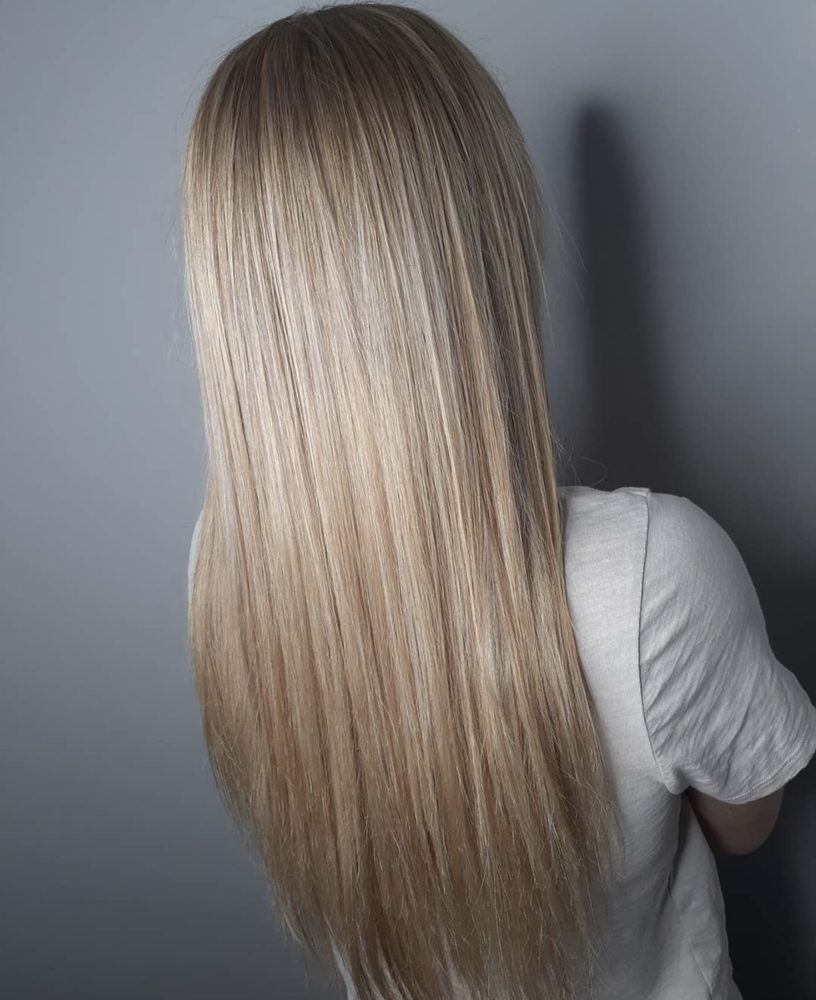
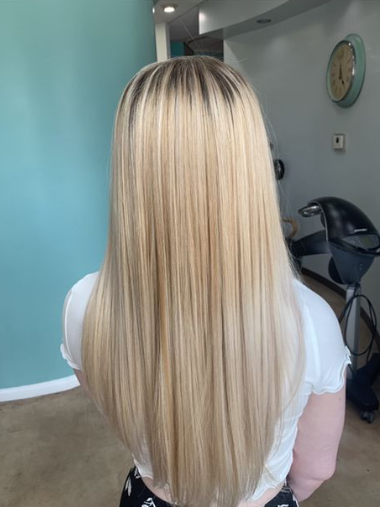
Straight Hair Color Highlights in Houston TX: What Looks Most Natural
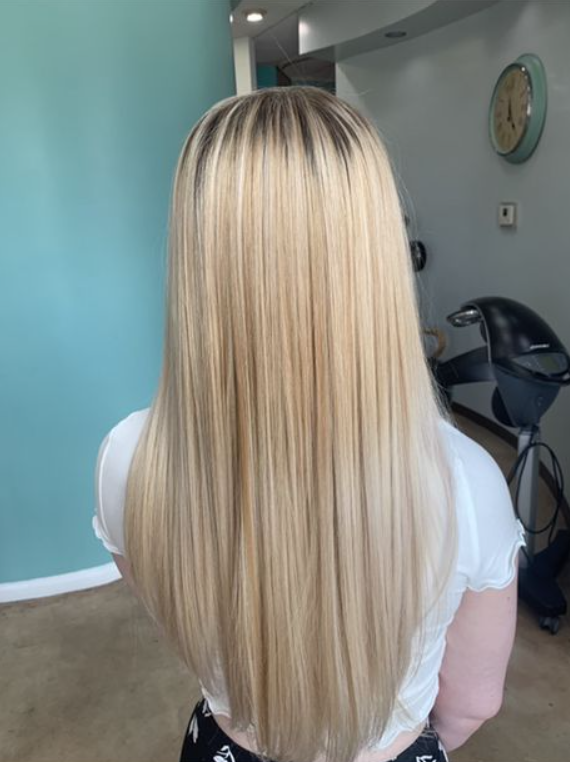
Highlights on straight hair are more exposed than on wavy or curly hair because the surface lies flat. There is no curl or wave to create shadow between sections. Every piece of lightened hair is visible at all times, which means placement errors, overlapping sections, and tonal inconsistency are all more apparent.
For straight
hair color highlights in Houston TX to look natural, the colorist needs to think about distribution before mixing a formula. Highlights concentrated only at the top layer look flat and surface-level in direct light. Highlights that are placed at varying depths throughout the hair, with some pieces closer to the scalp and others lower, create the layering effect that reads as genuine dimension rather than an application pattern.
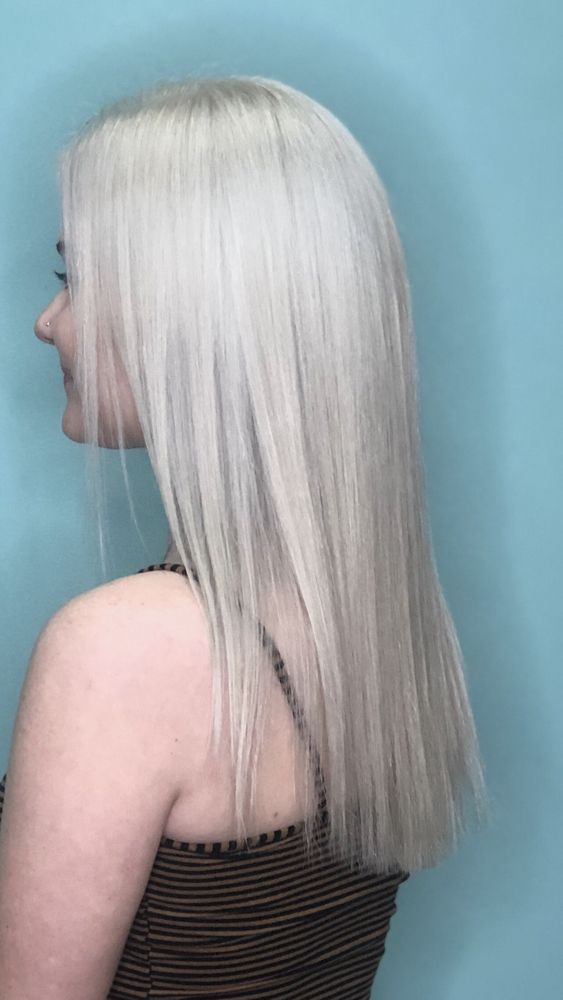
Straight hair in Houston also faces specific challenges from the sun. UV exposure is significant here, and lightened sections can oxidize and shift warmer faster than in cities with less direct sunlight. A toner applied after lightening is not cosmetic. It is a practical step that neutralizes the warm undertones and buys you more weeks of looking intentional between appointments.
Permanent Hair Color Highlights in Houston TX Explained
The term "permanent highlights" is sometimes used loosely, so it is worth clarifying what it actually means. Highlights themselves are not permanent in the way a single process color is. Lightening removes pigment from the hair, and that removal does not reverse. The lightened sections will grow out and need to be refreshed, but the lifted portions will never revert to their original color on their own.
What is permanent is the removal of the pigment, not the color placed on top of it. Toners and glosses applied after lightening are semi-permanent and will fade over four to six weeks. The underlying lift remains. This distinction matters when clients ask about maintenance, because the toner requires refreshing more frequently than the lightening itself.
Permanent hair color highlights in Houston from a professional colorist involve selecting a lift level appropriate for your base, applying a toner or glaze calibrated to your desired tone, and advising you on the specific aftercare that will extend how long the result looks fresh. At Marbella Salon, partial highlights and full highlights are both available, with the approach determined by what your specific base and goal require.
Partial Highlight Hair Trends That Work for Busy Professionals
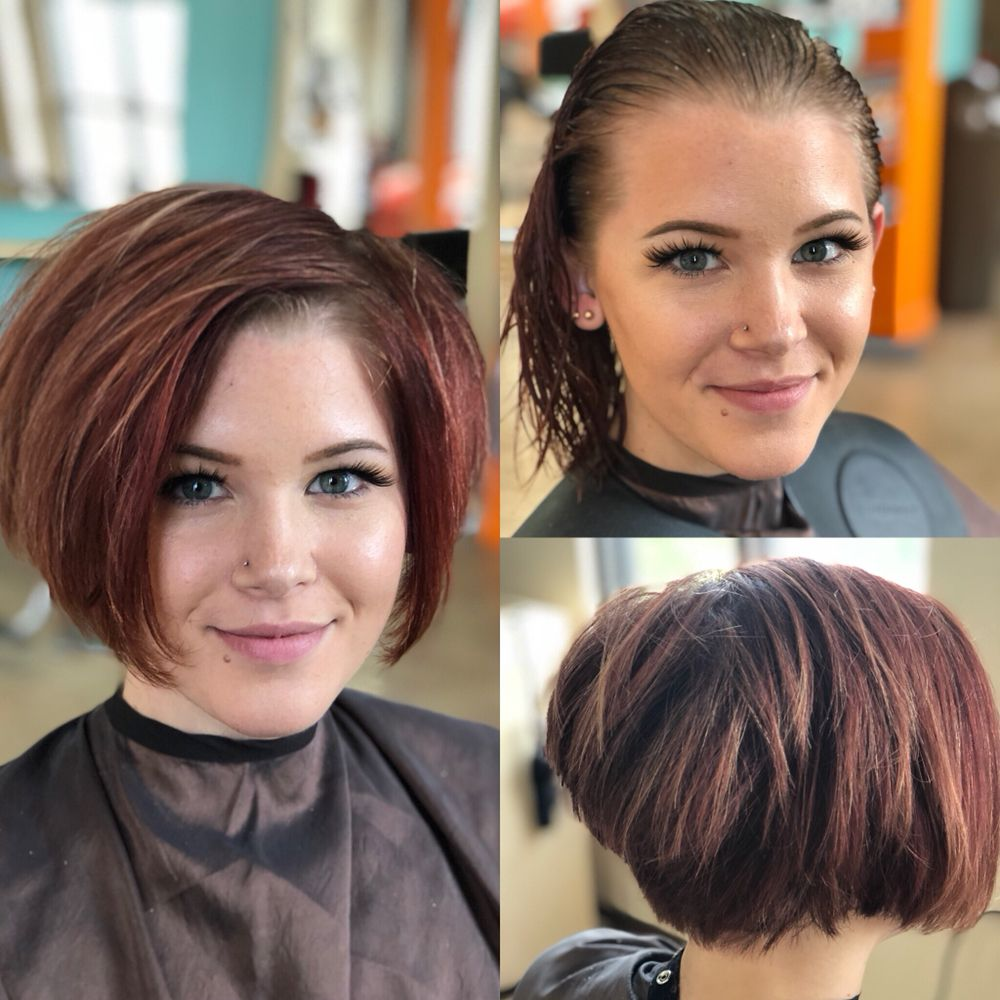
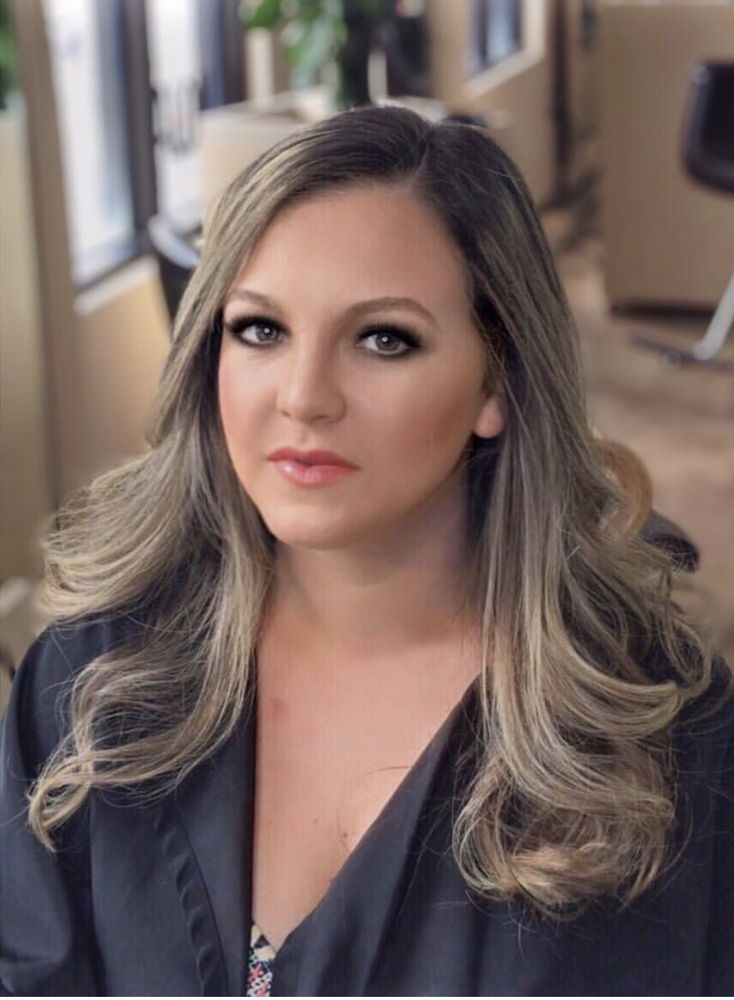
Partial highlight hair has become a practical standard for Houston clients who want dimension without committing to a full-color appointment every six weeks. The service focuses on the top sections of the hair and the face frame, where lightness has the most visible impact on overall appearance.
For corporate professionals in Houston's Midtown, the appeal is clear. A partial highlight appointment takes less time than a full head of foils, costs less, and can be spaced further apart without looking obviously grown-out. Done with balayage technique rather than traditional foils, the grow-out is even more forgiving.
The current direction in partial highlights is working with the client's natural movement rather than fighting it. Rather than placing identical sections across the top of the head in a grid pattern, experienced colorists are varying the size, angle, and depth of each piece to create an irregular, natural-looking pattern. The result catches light differently at different angles, which is what creates genuine dimension.
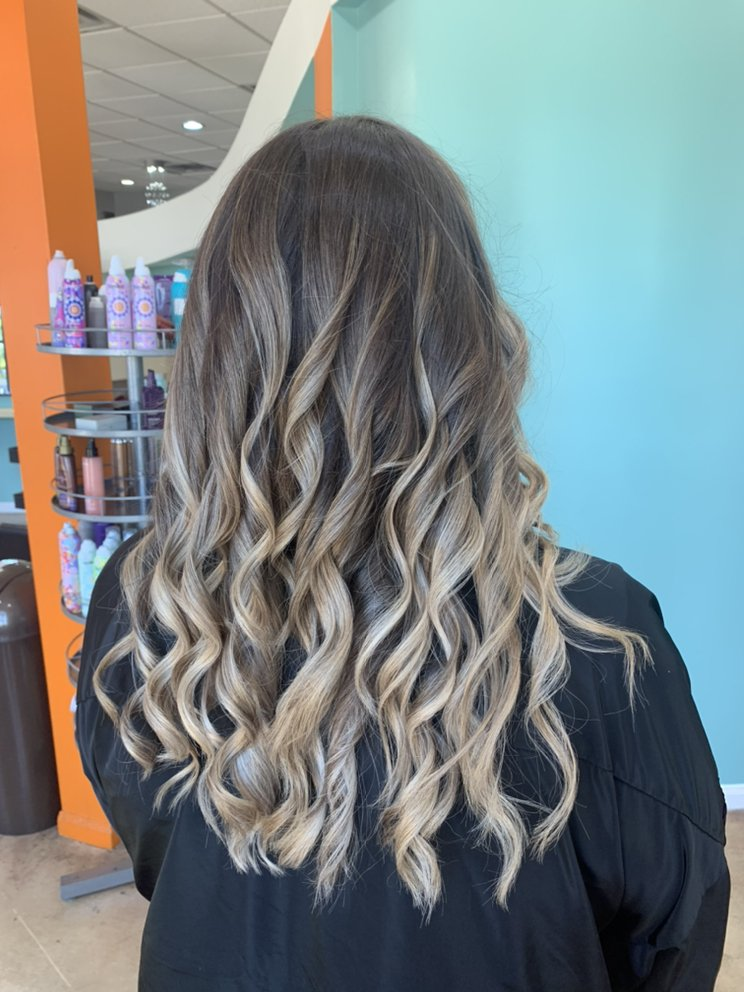
Best Highlights in Houston TX for Brunettes and Dark Hair
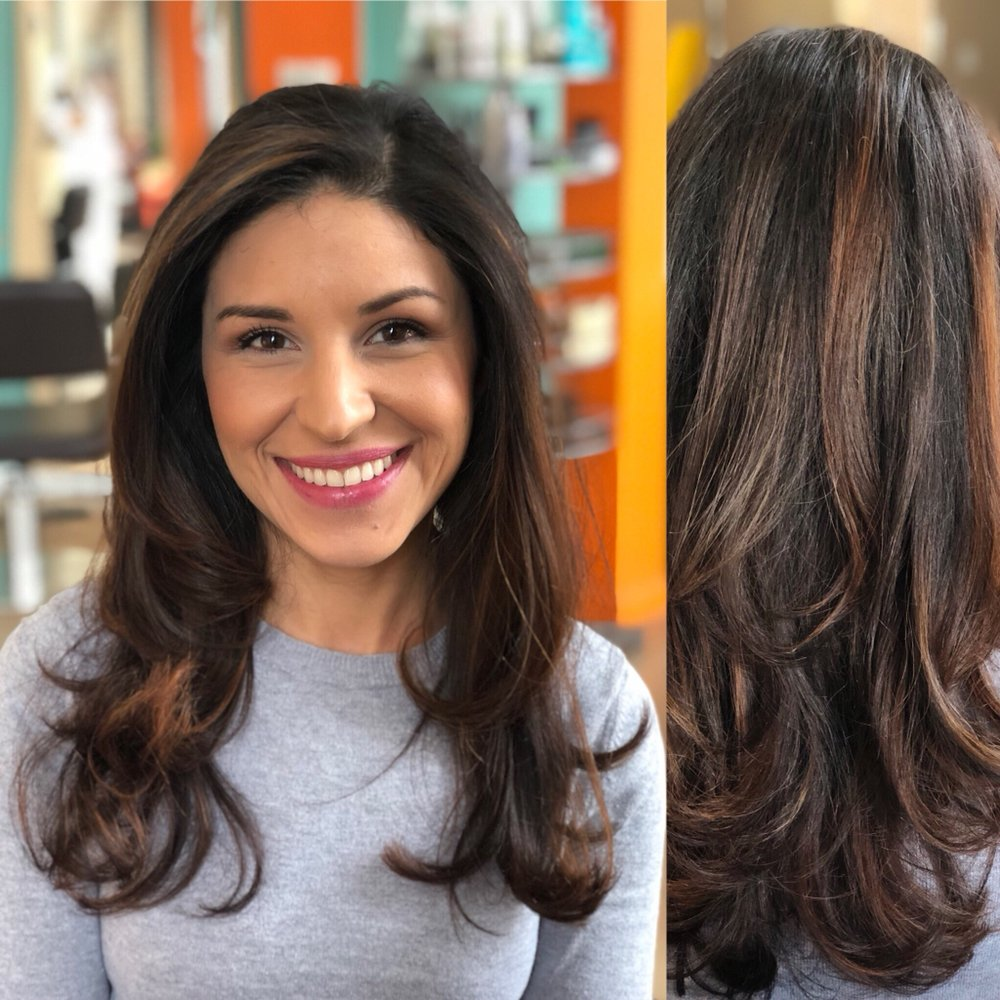
Highlighting dark hair requires a longer processing time and, in many cases, multiple sessions to achieve a tone that does not pull orange or copper. Houston clients with dark bases who want bright, cool highlights often underestimate how many steps are between their current base and their goal.
The
best highlights in Houston TX for brunettes are the ones that work with the underlying warmth rather than fighting it at every appointment. This means choosing a tone for the highlights that complements the base rather than contrasting against it aggressively. A warm honey or caramel on a medium-brown base reads as natural and dimensional. A very cool platinum on the same base looks artificial and requires significant ongoing toner maintenance.
For clients with very dark hair who want significant lightness, a staged approach is more honest and more protective of the hair's condition. Session one lifts the hair as far as its integrity allows. Session two, after the hair has recovered, achieves the next level of brightness. This is not an upsell. It is a realistic assessment of what dark hair can handle without breaking.
Why Toner Maintenance Is the Secret Behind Expensive-Looking Color
Clients who wonder why their highlights look great leaving the salon and less interesting two months later are almost always dealing with a toner that has faded. The lift is still there. The dimension is still there. What is gone is the tone that made the result look refined rather than brassy.
Toner maintenance between appointments does not require a full color service. A toning gloss applied every six to eight weeks refreshes the tone without re-lightening the hair. At home, a purple or blue-toned shampoo used once or twice a week neutralizes the warm oxidation that happens between salon visits.
Houston's hard water accelerates toner fading. The mineral content in the city's tap water deposits calcium and magnesium on the hair shaft, which builds up over time and affects both the tone and the porosity of the hair. A shower filter reduces this somewhat, and a chelating shampoo used monthly removes the buildup that has already accumulated. Learn more about Hair Stylist Houston TX: How to Find a Specialist Instead of a Generalist
Frequently Asked Questions
What's the difference between highlights and full color?
Single process color covers all of the hair with one shade, typically to cover gray or shift the overall tone. Highlights lighten specific sections to create contrast and dimension without changing the full base. They serve different purposes and are sometimes used together, particularly for clients who want to cover gray while also adding some brightness.
How often should highlights be toned?
Every six to eight weeks for clients whose highlights are cool-toned or platinum, where warm shift is most visible. Warmer-toned highlights, like honey or caramel, need toning less urgently because the natural oxidation is closer to the intended tone. Ask your colorist which end of the spectrum your highlights fall on and plan accordingly.
Why do highlights sometimes turn orange?
Orange results from incomplete lightening. When hair is only lifted partially, the underlying warm pigment, which is orange or red in most bases, is still present and visible. Lifting further and then toning resolves this. If your highlights have turned orange and you were told the service was complete, the lift was either cut short or the starting base required a stronger developer.
Are highlights high maintenance for dark hair?
More so than for light or medium bases, yes. Dark hair requires more processing to lift, meaning more time in the chair and more frequent maintenance to keep the tone from shifting warm. Many dark-haired clients find that a warmer-toned highlight, like caramel or bronze, gives them a dimensional result with less aggressive maintenance than a cool or platinum option.
Can partial highlights make hair look thicker?
Yes, when placed correctly. Contrast between lightened and darker sections creates the visual impression of depth, which reads as fullness. Highlights placed only at the surface can flatten the appearance by making the top layer look uniform. Highlights placed at varying depths through the section create more shadow and dimension, which contributes to the appearance of thickness.