Hair Stylist Houston TX: How to Find a Specialist Instead of a Generalist
Any licensed cosmetologist can cut hair. Not every hair stylist in Houston TX knows how to cut yours specifically. That distinction matters more than most clients realize until they have had a bad experience and spent months growing it out.
The right specialist reduces your styling time, extends the life of your color, and gives you a result that works with your texture rather than requiring daily correction.
Why Specialized Stylists Usually Deliver Better Results
Generalist stylists learn a broad range of techniques and apply them across whoever sits in the chair. That works for clients with predictable, medium-texture hair who want a trim and a blowout. It works less well for clients with specific concerns: tight curl patterns, very fine hair that loses volume by afternoon, significant damage from chemical processing, or hair that has never responded well to standard techniques.
A specialized stylist has repeated the same skills enough times to understand what can go wrong and how to prevent it. A colorist who does balayage daily has calibrated their eye for placement and their knowledge of how formulas behave on different bases. A stylist who specializes in short precision cuts understands the geometry of how hair falls as it grows, which means the cut still looks intentional at six weeks.
In a city the size of Houston, there is no shortage of salons. The question is whether the stylist you book has the specific experience your hair needs, not just a full appointment book.
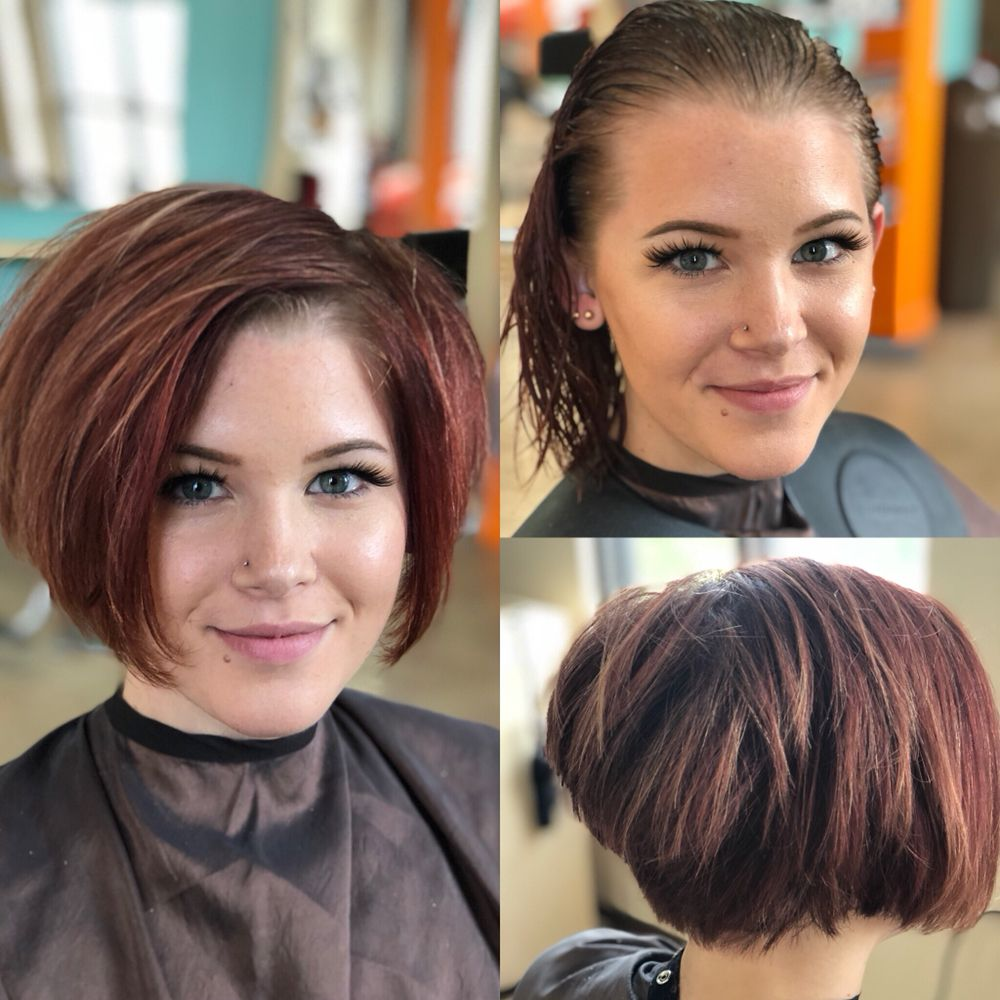
Best Short Hair Stylist in Houston for Pixie and Bob Cuts
Short hair cuts ask more of a stylist than long hair does. With long hair, an imprecise line or uneven section can be blended or hidden. With a pixie or a close-cropped bob, every edge and every weight point is visible. A cut that is slightly off at the nape will be apparent the next day, let alone the next week.
The
best short hair stylist in Houston for pixie and bob cuts is one who can discuss your head shape before recommending a specific length or silhouette. The crown, the nape, and the temples all grow at different rates and in different directions. A cut that does not account for your natural growth pattern will look grown-out and shapeless within two to three weeks.
Ask to see photos of short cuts the stylist has done on hair similar to your texture and density. The portfolio should show results on more than one type of client. If the only short cuts in the portfolio are on straight, medium-density hair and your hair is fine or wavy, that is relevant information.
Eduardo Granados has been cutting hair for more than 20 years, with particular experience in precision cuts that hold their shape through the grow-out period. For clients in Houston's Midtown who want a short style that stays intentional between appointments, that experience matters.
Hair Salon Near Me: Red Flags to Watch Before Booking
Not every red flag is obvious from a salon's social media or Google listing. Some only become apparent once you are already in the chair. Knowing what to look for before you book can save a correction appointment.
The first thing to evaluate is whether the stylist asks questions before offering a recommendation. A stylist who looks at your hair and immediately says "you'd look great with layers" without asking about your styling routine, your texture when it air-dries, or what you have tried before is making assumptions. Questions before scissors is a sign of a process, not just pattern-matching.
The second thing is how the salon handles consultation photos. Pinterest and Instagram photos are useful starting points, but they should open a conversation, not close one. A stylist who agrees to replicate a photo exactly, without discussing whether your texture, density, or growth pattern makes that result realistic, is setting up a disappointed client.
Third, look at how the stylists communicate with each other during your appointment. A salon where stylists check in with each other about approach, products, or technique is one where ongoing learning is part of the culture.
How Experienced Stylists Handle Hair Damage Consultations
Hair damage is not always visible at first glance. Significant breakage, elasticity loss from over-processing, and heat damage can be present without obvious split ends or visible snapping. An experienced stylist will feel the hair as much as look at it during a consultation.
What they are checking: how the hair stretches before breaking, how quickly it returns to shape, how much water it absorbs during shampooing, and where the porosity is uneven along the shaft. These things tell a more complete story than the hair's appearance alone.
When damage is present, the honest consultation ends with realistic expectations. Not every haircut can immediately disguise significant breakage. Not every color goal is achievable without causing more damage first. A stylist who tells you what is realistically possible and in what sequence is doing you a service, even if the timeline is not what you hoped to hear.
At Marbella Salon, treatments like B3 Brazilian Bond Builder and B3 Demi Permanent Conditioner are available specifically for clients who need to restore structural integrity before pursuing more significant color or chemical services. The treatment plan comes before the transformation.
Why Consultation Photos Matter More Than Pinterest Inspiration
The distinction is subtle but important. Pinterest inspiration shows you a direction. A consultation photo shows the stylist what you are actually responding to in that image.
Sometimes the thing a client loves about a photo is the color. Sometimes it is the texture. Sometimes it is the length. Sometimes it is the way the hair frames the face at a specific angle. A stylist who can identify which element you are drawn to can work toward that result within the realistic constraints of your hair, even if the exact photo is not achievable.
Bring two or three photos that represent what you want, and at least one photo of a result you specifically want to avoid. The negative example is often more useful than the positive ones because it helps the stylist understand where your preferences have limits. Learn more about
Keratin Treatment Houston TX: What Nobody Tells You Before Booking
Frequently Asked Questions
Should I choose a stylist based on haircut specialty?
Yes, when your hair type or desired style falls into a specific category. If you have textured or curly hair, look for a stylist who lists texture work as a primary area of experience. If you want a precision short cut, look for portfolio images of that exact style. For clients with straightforward medium-length hair who want a trim and blowout, specialty matters less.
How do I know if a stylist understands textured hair?
Ask directly during your consultation. A stylist who understands textured hair will ask about your curl pattern, your porosity, how you currently wash and style, and whether you want a result that works with your natural texture or against it. If the conversation stays surface-level and moves quickly to the chair, that is worth noting.
Why do some stylists refuse certain haircut requests?
Usually because the request is not achievable with the client's current hair condition, or because the result in the photo requires a texture the client does not have. A stylist who declines a specific request is typically protecting you from a result that will require an expensive correction later. Ask them what is possible instead and what would need to change to make the original goal realistic.
Is it rude to ask for portfolio photos before booking?
No. It is a reasonable request and any stylist who is confident in their work will have photos to share. You can ask through the salon's booking platform, by phone, or through their social media. If a stylist is reluctant to share specific examples of the work you are interested in, that reluctance itself is informative.
What happens during a professional hair consultation?
A thorough consultation covers your current hair history, including any chemical services in the past year, your daily styling routine, what products you currently use, and what specific result you are after. The stylist should touch your hair, assess its condition and porosity, and explain their approach before any service begins. Plan for at least ten to fifteen minutes for a meaningful consultation before a complex service.